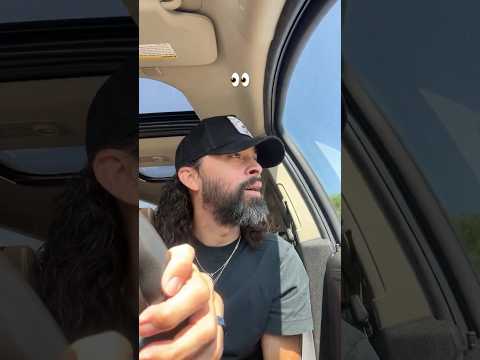
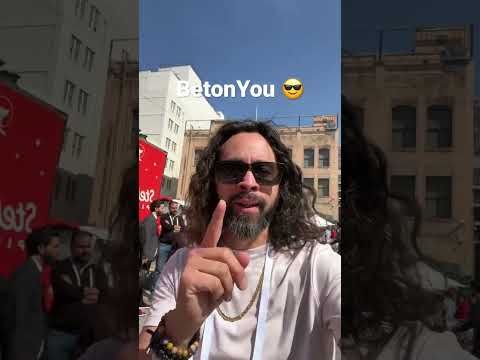
In the crowded world of gig‑economy YouTube creators, authenticity is the currency that separates genuine workers from performers. One creator who has recently found himself at the center of scrutiny is Pedro Santiago, known online as “Bet On You.” While he presents himself as a truth‑teller and a representative of gig‑economy workers, critics argue that much of his content is staged, misleading, or built on a persona rather than real experience.
A Persona Built on “Truth” — But Where’s the Proof?
Santiago frequently claims he is here to “speak the truth” and not chase numbers or followers. Yet many viewers have pointed out that his videos lack the most basic evidence that he is actually completing deliveries. Unlike other gig‑economy creators who show full workflows — from picking up orders to scanning items to handing deliveries to customers — Santiago’s videos rarely include any of these steps.
There are no shots of him walking up apartment stairs, no barking dogs in the background, no checkout interactions, no mileage tracking, and no footage of him actually handing an order to a customer. These are everyday realities for gig workers, and their absence has raised eyebrows. Critics argue that he relies heavily on talking‑head commentary and motivational filler rather than real gig‑work documentation.
Accusations of Staged Deliveries
One of the most persistent criticisms is the belief that Santiago may be placing his own orders to create the illusion of active delivery work. Viewers have noted that he never shows the moment he receives an order on his phone, never films the pickup process, and never records the drop‑off. In contrast, creators like Dashing Across America and Meaty Momma routinely show the entire process, offering transparency and proof of authenticity.
This discrepancy has led some to conclude that Santiago’s content is more performance than reality — a curated narrative designed to appear relatable without the inconvenience of actually doing the work.
Criticism of His Tone and Commentary
Beyond questions of authenticity, Santiago has also been criticized for what some describe as a condescending tone toward viewers and gig workers. Detractors argue that he positions himself as morally superior while offering little practical value. His frequent political commentary — especially his attacks on Trump supporters — has also been called out as uninformed or overly simplistic. Critics say he misunderstands voting behavior and uses political jabs as filler rather than substance.
Whether viewers agree with his politics or not, many feel that his commentary distracts from the gig‑economy content he claims to champion.
The Problem With Influencers Who Don’t Show the Work
The gig‑economy community values creators who are transparent about the realities of the job. When a creator claims to represent workers but avoids showing the work itself, it undermines trust. Viewers rely on gig‑economy channels for real insight — not staged narratives or motivational speeches detached from actual experience.
The Investigation That Raised More Questions: A Fictional Look Into the “Bet On You” Mystery
In 2020, a private investigator and his small team set out on what they believed would be a straightforward assignment: follow a rising gig‑economy personality who claimed to be grinding through delivery apps every day. The creator — known online for motivational speeches and bold declarations about “speaking the truth” — had built a loyal audience. But whispers of inconsistency had begun circulating, and the team was hired to observe whether his daily routine matched the persona he projected.
What they found instead was a pattern that didn’t resemble gig‑work at all.
According to the investigator’s notes, the subject spent the first 20 miles of the day simply driving around town with no apparent destination. He made multiple stops at a local market, purchasing groceries that appeared to be for personal use rather than customer orders. Between stops, he repeatedly exited his vehicle, walked around it, lingered for several minutes, then got back in and drove another short stretch before repeating the same behavior.
At one point, he sat on the grass of a stranger’s yard, scrolling through his phone for several minutes before casually greeting someone nearby and returning to his car. Nothing about the interaction resembled a delivery, a pickup, or any gig‑related task.
The investigator’s team continued to follow him to a Walmart, where he parked for an extended period. He eventually stepped out, chatted with employees who were loading groceries into another customer’s vehicle, then circled his own car again before getting back inside. No app notifications, no pickups, no drop‑offs — just a repeating loop of movement without purpose.
But the most puzzling moment came later that afternoon.
The subject drove to a quiet residential street and approached a house with a small bag of groceries. He placed the items on the front steps, snapped a photo with his phone — the kind of photo gig workers take to confirm a delivery — then picked the groceries back up and returned them to his car. The house, the investigator noted, was vacant and listed for sale. No residents. No delivery. No customer.
To the team, it looked like a staged moment — a manufactured image meant to mimic the appearance of a completed order.
Throughout the day, the pattern repeated: driving, stopping, walking around the car, waiting, and creating moments that could be edited into something more meaningful than they were. The investigator concluded that the subject’s public persona and his real‑world actions did not align.
Whether the behavior was intentional misdirection, content staging, or simply an unusual routine, the investigation left more questions than answers. In the world of online gig‑economy influencers, authenticity is everything — and sometimes, the truth behind the camera is far less glamorous than the story being told.
Final Thoughts
Pedro Santiago’s “Bet On You” brand may present itself as authentic and truth‑driven, but the growing list of criticisms suggests a widening gap between his persona and the reality viewers expect. Whether intentional or not, the lack of transparency in his content has fueled skepticism. In a space built on real‑world experience, authenticity isn’t optional — it’s everything.